Why satellite is essential for survivable mining and energy operations: from pit and platform to the cloud
In this series on technology for remote operations, Duncan Van Jaarsveld, head of our mining and energy vertical, looks at why satellite remains the only universally available, always‑on link for mining and energy sites operating far beyond traditional networks.
March 27, 2026
5 minutes
Duncan Van JaarsveldHead of Mining Vertical, BT
In mining and energy, the challenge isn’t just about connecting a site. It’s about getting the data out from the pit or the onshore or offshore platform in a remote corner of the world to a central backend compute environment. This must happen securely, reliably and without delay. It’s the difference between an operation that runs, and one that doesn’t.
But what do you do when there’s no ready-made network to carry data from your site to the wider business world?
Wherever private 5G is connecting a pit or platform, satellite communications are critical to bridging the next step: from edge to enterprise, and remote field to central decision-making.
Why real-time data transmission is critical
Data is central to keeping energy and mining businesses operating. Connectivity gaps mean productivity losses, safety risks, and missed opportunities for automation and AI.
When an offshore platform can’t report its oil production, the financial consequences are immediate. Royalty payments hinge on timely, accurate reporting. Without data networks, operations stall, commercially and legally. And if the vehicles, sensors, and control systems collecting vital data in remote mines can’t send it to HQ, operations can’t be analysed, optimised or managed effectively.
Why satellite connectivity is the backbone of mining
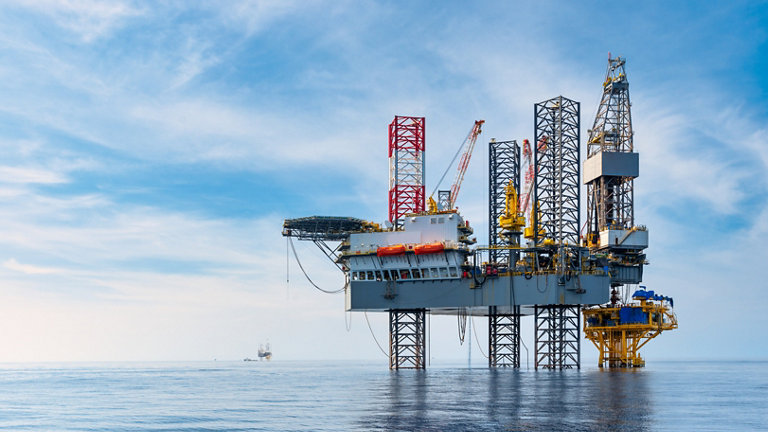
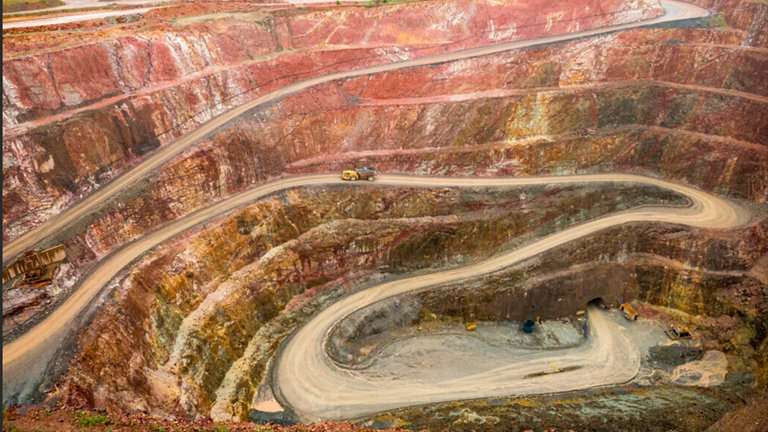
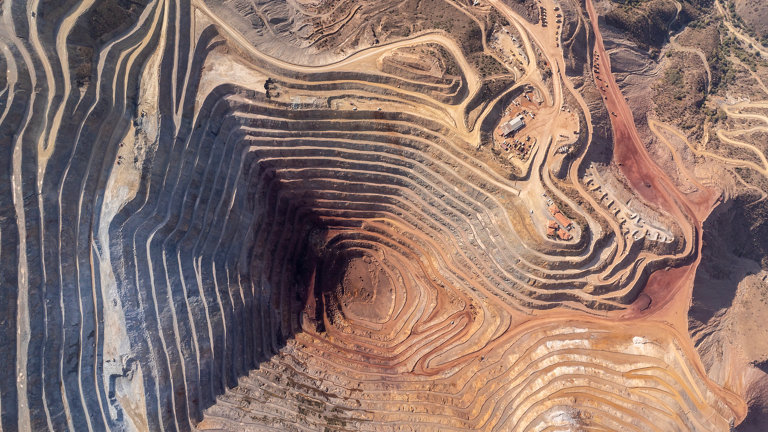
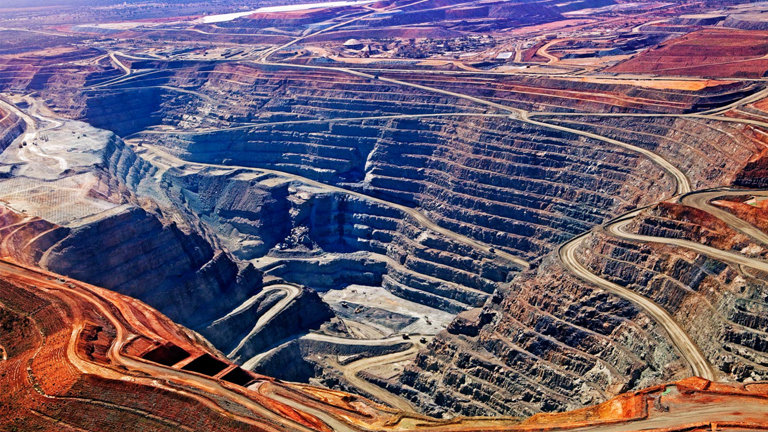
Mines and energy platforms are located where few other operations dare to go, in deserts, jungles, the Arctic Circle, or kilometres offshore. Fibre can’t always get there and microwave radio isn’t always viable due to distance limits, line-of-sight constraints and vulnerability to theft or interference.
How do you get your data in and out?
Satellites don’t have those weaknesses. You can’t steal them. You can’t cut their cables. And they’re available virtually anywhere on the planet. From a drill rig floating in open water to a mine deep in the Andes, satellites keep data flowing reliably and securely.
It’s not a fallback; it’s the foundation for survivability in some of the world’s harshest conditions. With the next generation of LEO and MEO satellites, the performance and quality are like ‘fibre from the sky’.
Beyond productivity: how do you give your people the connectivity they crave?
The business depends on connectivity, but so do the people who work in these isolated environments.
On oil platforms and remote mines, staff often work rotations lasting weeks. Speaking with loved ones and having good internet access are essential to morale and well-being. Reliable satellite communications ensure these human links remain intact, regardless of location. It’s necessary to attract and retain top-tier talent in industries that are becoming more digitally and professionally skilled by the day.
Tailored connectivity for your environment
Survivability goes beyond resilience and bouncing back after failure. It’s about ensuring operations never go down in the first place. In many cases, satellite is the only viable primary connection when downtime isn’t acceptable.
What can this look like?
In offshore environments, for example, a damaged undersea cable can sever the only fibre link to a platform. Without satellite connectivity, the site may be cut off entirely, endangering production and safety. We’ve seen operators forced to call in naval support during outages, fearing explosions – that’s how serious a communications failure can be.
Now imagine geologists collecting samples and generating data about a potential new ore body in the heart of a jungle or ocean. The data needs to be sent back, fast and in full, for analysis. Without satellite connectivity, they’d have to carry hard drives of data back, risking data loss and delaying business decisions.
We’ve supported teams in these exact scenarios. We understand how remote and logistically complex these environments are, and we design communications strategies accordingly, from pit or platform to cloud.